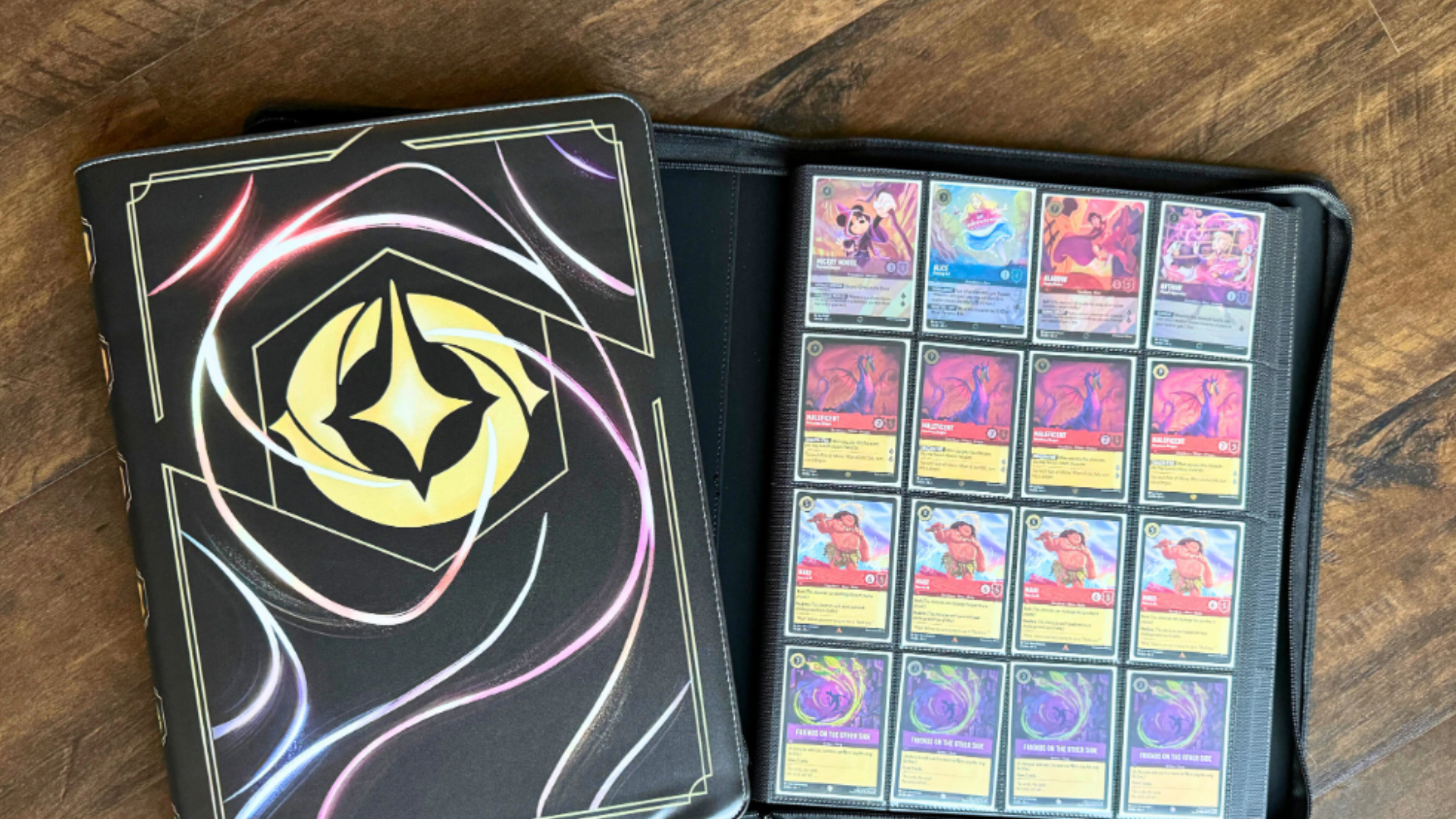
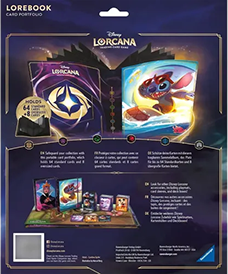
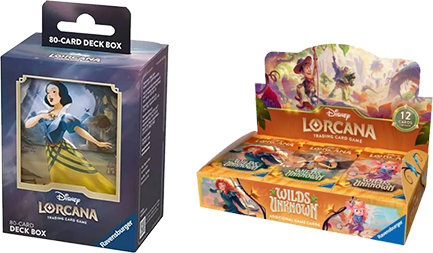
Organizing a collection is not just about aesthetics. It's a way to preserve its history, make trading easier, improve your gameplay experience, and protect something that can stay with you for many years.
There's a very common idea among new collectors:
"I'll buy a binder once my collection gets bigger."In practice, it's usually the exact opposite. A well-organized collection doesn't become organized because it grew large. It grows organized.
This detail may seem small, but it makes all the difference when it comes to the Disney Lorcana Trading Card Game. Since its release, the game has attracted two very different audiences.
On one side are competitive players who use their cards every week in leagues, hobby stores, and tournaments. On the other are collectors interested in the artwork, characters, specific cards, promos, and preserving the complete set of each expansion.
They have different needs. But they share one common goal: preserving their cards in the best possible condition. And that starts long before buying a rare card. It starts with how you organize your entire collection.

Before buying accessories, define your collection's goal.
This is the first mistake made by almost every new collector: buying protective products before deciding what they're collecting.
It may sound strange. But it makes sense.
Your organization changes completely depending on your goal. For example:
Master Set Collection
If your goal is to collect every card from each set, including rare variants, promos, or Enchanteds, your organization will usually follow the official checklist order.
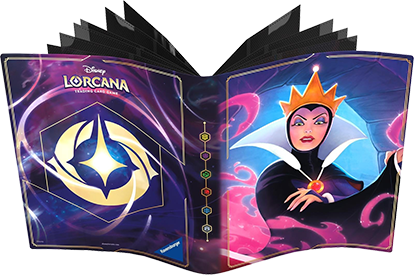
In this case, high-quality binders usually provide the best viewing experience.
Playing Collection
Players who frequently participate in tournaments usually organize their cards for quick access. Cards are separated by:
• Ink;
• Cost;
• Function;
• Archetype;
• Staples.
The goal isn't display. It's speed.
Investment Collection
Collectors focused on long-term value typically separate their higher-value cards from the rest. In this scenario, physical protection becomes the absolute priority. Each type of collection requires a different strategy.
Mixing everything together usually creates more problems than solutions.
Organizing your collection by set is only the beginning.
Many collectors believe that sorting cards by expansion solves the problem. In reality, it only solves part of it.
An efficient organization system usually uses multiple layers. For example:
• Collection.
> Card number.
> Rarity.
> Rare or non-rare version.
This structure makes it much easier to:
• Reference cards;
• Replace cards;
• Sell cards;
• Trade cards;
• Update your collection after new releases.
The larger the collection, the more important this kind of standardization becomes.
The Most Expensive Mistake in Collecting: Mixing Play Cards with Collection Cards
This problem comes up all the time.
A player owns only one copy of a particular card. That same card goes in and out of their deck every single week.
The result:
1. Micro scratches.
2. Wear.
3. Worn corners.
4. Sleeves being replaced constantly.
For common cards, this is rarely an issue. For higher-value cards, however, it can make a significant difference in the secondary market. A common practice among experienced collectors is to maintain:
• A permanent collection;
• A play collection.
Whenever possible, the card used in tournaments is not the same copy kept in the main binder.
It may seem excessive, but it makes a huge difference over the years.
Binder or Storage Box? The Answer Depends on Their Purpose
This is probably one of the most common questions. The short answer is:
both. But for different purposes.
Binder
Ideal for:
• Master sets;
• Enchanteds;
• Promos;
• Personal collection;
• Display.
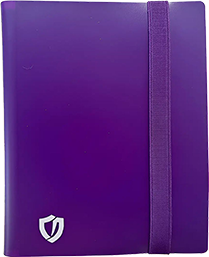
A binder allows you to showcase your collection quickly. It also reduces unnecessary handling. However, not every binder offers the same level of protection.
Models with side-loading pockets and zipper closures generally provide better protection against dust and card movement.
Storage Boxes
They are best for:
• Extra cards;
• Staples;
• Trade cards;
• Competitive inventory.
• They also take up less space as your collection grows.
Players who own thousands of cards typically use storage boxes for duplicate cards and keep a binder only for their main collection.
Sleeves Are Not Just for Playing
This is another very common misconception. Many people believe that sleeves are accessories used exclusively for competitive decks.
In reality, sleeves are the single most important preservation tool. A card without a sleeve experiences wear every time it:
• is placed into a binder;
• is removed from a binder;
• is handled;
• is transported.
Even minor marks can significantly affect a card's condition. For higher-value cards, it's best to use high-quality sleeves before placing them in a binder.
Penny Sleeves, Perfect Fit, and Premium Sleeves: Which Should You Use?
Not every type of protection serves the same purpose.
Penny Sleeves
They are affordable. They protect against surface scratches. They work very well for storage.
They are an excellent choice for common and uncommon cards.
Perfect Fit
They fit the card perfectly. They are widely used by collectors.
They also work well as the first layer of protection for your most valuable cards.
Premium Sleeves
Primarily used for competitive decks. They provide better shuffling, greater durability, and a superior texture.
If a particular card is frequently used in tournaments, it's worth investing in this type of protection.
Top Loaders and Magnetic Cases: When Should You Use Them?
Another common mistake is overdoing it. Not every card needs rigid protection.
In fact, excessive protection also increases costs and takes up unnecessary space. A good rule of thumb is:
Top Loader
Ideal for:
• Promos;
• Enchanteds;
• Cards being shipped by mail;
• Cards awaiting grading.
Magnetic Case
Best for:
• Display;
• Extremely valuable cards;
• Centerpieces of your collection.
The important thing is to understand that the level of protection should match the card's value—not just your emotional attachment to it.
Humidity Control Is More Important Than Most People Realize
A large portion of card damage doesn't happen during gameplay.
It happens while the cards are in storage. Their biggest enemies are:
• Humidity;
• Excessive heat;
• Direct sunlight;
• Dust.
Cards absorb moisture easily. Over time, this can cause:
• Warping;
• Waviness;
• Surface damage;
• Edge wear.
Ideally, you should store your collection in a dry, well-ventilated environment away from direct sunlight.
Many collectors also place silica gel packets inside their storage boxes to help control humidity. It's a small investment that can significantly extend the lifespan of your collection.
How to Organize Duplicate Cards
After opening a few booster boxes, a new problem arises: hundreds of duplicate cards.
The worst solution is to stack them randomly. An efficient organization system typically sorts them by:
• Ink;
• Collection;
• Card number;
• Rarity.
This makes things much easier when you need to:
• Build new decks;
• Complete a trade;
• Sell cards;
• Find staples quickly.
The Modern Collector Also Needs to Organize Information
Today, a collection doesn't exist only in physical form.
It also exists digitally. Keeping track of information such as:
• Quantity;
• Foil version;
• Condition;
• Location;
• Average price;
• Collection;
• Card number;
Makes collection management much easier. It also allows you to track value appreciation over time and helps prevent unnecessary duplicate purchases.
There are specialized TCG apps, custom spreadsheets, and collection management platforms that can help with this process. The larger your collection, the greater the return you'll get from this type of organization.
Transportation Is Also Part of Preservation
A collection can remain in pristine condition for years—and still be damaged during a single trip.
Anyone who regularly participates in leagues or events like the Disney Lorcana Challenge should invest in proper accessories. Rigid deck boxes protect assembled decks from pressure.
• Dedicated carrying cases help prevent binders from bending.
• Backpacks with structured compartments reduce impacts.
Avoiding loose cards inside backpacks or bags may sound like basic advice. Unfortunately, it's still one of the leading causes of physical damage to collections.
Organization Also Improves Your Competitive Performance
There's another benefit that isn't discussed very often.
• Organized players usually build decks more quickly.
• They find cards more easily.
• They test different deck lists.
• They update their sideboard (when applicable in other formats).
• They keep better track of which staples they own.
This reduces wasted time and increases practice time.
It may seem like a small detail. But in competitive environments, small efficiencies add up and make a real difference.
Preservation Begins Before a Card Becomes Rare
There's an interesting pattern in collecting. Once a card becomes valuable, everyone starts protecting it.
The problem is that, by then, it's often already too late. The best collections are built with consistency.
Every card receives the appropriate level of care from day one. That way, when one of them becomes much more valuable in the future, it's already well preserved.
This mindset is especially important in the Disney Lorcana Trading Card Game.
The game still has a relatively young card pool. Many cards that seem ordinary today may become much more important as new sets, archetypes, and formats continue to emerge.
An Organized Collection Tells a Story
At the end of the day, organizing a collection isn't just about placing cards in a binder. It's about creating a record of your own journey through Disney Lorcana.
• Every completed expansion.
• Every promo you've earned.
• Every signed card.
• Every championship-winning deck.
• Every trade you've made.
A well-organized collection allows you to revisit that story every time you open your binder. At the same time, it ensures your collection remains preserved for many years to come.
Because collecting isn't just about accumulating cards. It's about taking care of them.
And few things add more value to a collection than the care devoted to it from the very first booster pack you open.
--
Source: FlowGames